Source of Movement or Damage
Settlement, drainage, moisture, rot, insects, overloaded framing, removed supports, poor connections, and previous construction must be considered before repair work begins.
Structural Repair Contractor in Charleston, West Virginia
Cracked framing, sagging floors, damaged joists, failing beams, shifting walls, foundation movement, moisture deterioration, and other structural problems do not improve on their own. They can affect how a home carries weight, resists movement, protects finishes, and remains safe for the people living inside it.
Green Deal Construction provides comprehensive structural repair services for homes throughout Charleston, West Virginia. We coordinate the investigation, demolition, temporary support, framing repair, beam and joist replacement, moisture correction, reconstruction, engineering requirements, inspections, and finish restoration as one connected project.
Structural Repair Services
A structural problem rarely exists in isolation. In Teays Valley homes, a sagging floor may involve weakened joists, an undersized beam, failed supports, foundation settlement, moisture damage, termite activity, or previous modifications that changed how weight moves through the home. A cracked wall may reflect movement somewhere above, below, or beside the visible damage.
Effective structural repair starts by understanding the load path: how the roof, walls, floors, beams, posts, foundations, and soil work together to support the home. Green Deal Construction evaluates Charleston properties in relation to existing construction, drainage, moisture, access, terrain, and previous modifications, then coordinates repairs that address the structure behind the symptom.
Settlement, drainage, moisture, rot, insects, overloaded framing, removed supports, poor connections, and previous construction must be considered before repair work begins.
Foundations, posts, beams, joists, walls, headers, rafters, trusses, ledgers, connections, and bearing points must work together to transfer loads safely.
Damaged components may require controlled shoring, load transfer, selective demolition, staged replacement, and careful sequencing before permanent repairs are installed.
Drywall, flooring, insulation, siding, roofing, trim, paint, cabinetry, and other finishes are restored only after the supporting structure has been corrected.
Warning Signs of Structural Problems
Not every crack or uneven surface means a home has serious structural damage. However, changes that are growing, repeated, widespread, or connected to moisture and movement deserve closer attention.
Floors that slope, bounce, dip, or feel soft may indicate damaged joists, weakened subflooring, failed supports, beam movement, moisture deterioration, or foundation settlement.
Repeated cracks around doors, windows, ceilings, corners, masonry, or wall joints can suggest ongoing movement rather than a simple cosmetic drywall issue.
Openings that suddenly stick, separate, rack out of square, or stop latching may reflect shifting framing, settlement, or movement in nearby load-bearing components.
Walls that curve, lean, separate, or bulge may involve foundation pressure, moisture damage, failed framing, inadequate bracing, or movement within the wall assembly.
Soft framing, dark staining, crumbling wood, tunnels, damaged sill plates, or weakened joist ends may indicate long-term moisture or wood-destroying insect activity.
A sagging ridge, dipping roof plane, spreading walls, cracked ceilings, or altered attic framing can signal damaged rafters, trusses, supports, or connections.
Stair-step cracks, horizontal cracks, displacement, separation, or widening gaps may indicate settlement, lateral pressure, drainage problems, or foundation movement.
New gaps where walls meet ceilings, floors meet baseboards, porches meet the house, or additions meet the original structure may point to differential movement.
Cut joists, notched beams, removed walls, altered trusses, missing posts, oversized openings, and unverified renovations can change how loads travel through the home.
Complete Structural Repair Services in Charleston
Green Deal Construction coordinates structural repairs across the major load-bearing areas of a home. The exact repair depends on the cause, accessibility, existing materials, surrounding finishes, engineering requirements, and how the affected component connects to the rest of the structure.
Repairs involving foundation bearing areas, interior supports, piers, posts, columns, sill plates, bearing points, settlement damage, and transitions between foundations and framed structures.
Repair, reinforcement, sistering, replacement, and support correction for damaged, undersized, deteriorated, cut, cracked, or improperly supported beams and girders.
Repairs for sagging, split, notched, drilled, rotted, insect-damaged, overstressed, or poorly supported joists, rim joists, blocking, hangers, and floor-framing connections.
Repair and reconstruction of damaged load-bearing walls, headers, studs, plates, posts, openings, connections, and supports affected by settlement, water, insects, impact, or previous alterations.
Repairs involving rafters, trusses, ceiling joists, ridge areas, roof openings, damaged connections, sagging roof sections, water deterioration, and altered attic framing.
Selective removal and replacement of structural wood affected by leaks, flooding, chronic humidity, rot, fungal deterioration, or wood-destroying insects after the source is addressed.
Why Structural Damage Happens
Structural repair is more dependable when the condition that caused the damage is corrected along with the damaged component. Replacing wood without fixing the leak, drainage, support, or load issue can allow the same problem to return.
Roof leaks, plumbing failures, poor flashing, wet crawl spaces, foundation seepage, drainage problems, and condensation can weaken framing over time.
Changing soil conditions, inadequate drainage, erosion, poorly compacted fill, uneven bearing, and foundation movement can shift the structure above.
Removed walls, cut joists, altered trusses, oversized openings, missing posts, or unverified framing changes can overload nearby components.
Insect activity can hollow or weaken sill plates, joists, beams, posts, studs, sheathing, and other concealed wood while leaving limited damage visible at the surface.
Long-term exposure, repeated loading, corrosion, old fasteners, inadequate connections, and aging materials can reduce the capacity of structural components.
Falling trees, vehicle impact, fire, high winds, heavy snow, or other sudden events can damage framing, connections, walls, roofs, and support systems.
From Investigation to Completed Repair
Each stage is coordinated around the existing structure, cause of damage, access conditions, temporary support, engineering needs, demolition, permanent repair, inspections, reconstruction, and final quality review.
We review visible damage, movement, moisture, framing, supports, surrounding finishes, previous modifications, and accessible structural connections.
We define access, demolition, temporary support, repair materials, sequencing, trade needs, permits, inspections, and engineering involvement where required.
Work areas are protected, loads are supported as needed, damaged finishes are selectively removed, and concealed conditions are reviewed as the structure is exposed.
Damaged components are repaired, reinforced, sistered, replaced, reconnected, or rebuilt according to the approved repair scope and required construction sequence.
Insulation, drywall, flooring, siding, roofing, trim, paint, and other finishes are restored after the structural work is reviewed and ready to close.
Foundation and Support Repairs in Charleston
Foundations do more than support exterior walls. In Teays Valley homes, interior footings, piers, posts, columns, beams, sill plates, bearing walls, and connection points all participate in carrying loads into the ground. Movement or deterioration at one support can affect floors, walls, ceilings, doors, windows, and finishes elsewhere.
Green Deal Construction coordinates repairs involving damaged bearing areas, interior supports, settled posts, deteriorated sill plates, failed connections, foundation-adjacent framing, and the reconstruction required after support conditions are corrected.
Crawl Space Structural Repairs in Charleston
Crawl spaces in Charleston homes can conceal deterioration for years. Plumbing leaks, groundwater, poor drainage, humid air, condensation, inadequate ventilation, missing vapor control, rot, insects, and limited access can weaken joists, beams, posts, sill plates, subfloors, and connections below the living space.
Structural repair below a home should address both the damaged framing and the conditions that allowed it to deteriorate. Replacing joists while leaving active moisture, unstable supports, or drainage problems unresolved can shorten the life of the repair.

Floor Joist and Rim Joist Repairs in Charleston
Floor joists can weaken from rot, termites, over-notching, excessive drilling, plumbing cuts, split wood, inadequate bearing, failed hangers, overloaded spans, missing blocking, or movement in the beams and supports below them.
The correct repair depends on the joist condition, span, access, surrounding utilities, floor finish, bearing, and cause of damage. Repair may involve sistering, partial replacement, full replacement, added blocking, new hangers, reinforced bearing, or coordinated support changes.
Beam Repair and Replacement in Charleston
Beams and girders collect loads from joists, walls, posts, and sometimes multiple stories. Cracks, rot, excessive deflection, inadequate bearing, failed splices, missing posts, notches, cuts, corrosion, and previous modifications can reduce their ability to perform as intended.
Beam repair may require temporary shoring, staged unloading, reinforcement, sistering, replacement, new posts, improved bearing, connection upgrades, or redesign based on engineering requirements. The repair sequence matters because the surrounding structure may depend on the beam throughout the work.

Load-Bearing Wall and Header Repairs in Charleston
Load-bearing walls may support floor joists, ceiling joists, roof framing, beams, and walls above. Damage to studs, plates, headers, posts, connections, or bearing points can affect doors, windows, ceilings, floors, and rooflines beyond the immediate wall.
Repairs require careful support and sequencing. The area above may need temporary shoring while damaged framing is removed, corrected, reconnected, and rebuilt. Plumbing, electrical wiring, insulation, drywall, siding, windows, and trim may also intersect the repair.
Sagging and Uneven Floor Repair in Charleston
A sloping floor can result from settlement, weakened joists, failed beams, compressed supports, deteriorated sill plates, undersized framing, movement between additions, or long-term changes that occurred gradually. The floor surface alone does not reveal the complete cause.
Correcting an uneven floor may involve structural reinforcement, support repairs, controlled lifting, joist or beam work, subfloor correction, or a combination of methods. Lifting must be approached carefully because walls, plumbing, cabinets, tile, doors, and finishes may have adapted to the existing position.
Roof, Rafter and Truss Repairs in Charleston
Roof framing can be affected by leaks, rot, storm damage, fire, altered trusses, cut members, failed connections, undersized framing, added roof loads, sagging ridges, or movement in the walls and supports below.
Roof structural repair may involve rafters, trusses, ridge areas, ceiling joists, collar ties, rafter ties, headers, sheathing, bearing walls, posts, and connections. Roofing, insulation, ventilation, ceilings, siding, and exterior trim may also be part of the coordinated repair.
Water, Rot and Termite Structural Damage in Charleston
Structural wood can lose strength after long-term exposure to moisture, fungal deterioration, plumbing leaks, roof leaks, foundation seepage, wet crawl spaces, exterior openings, or wood-destroying insects. Damage may extend farther than the surface suggests, especially around concealed ends and connections.
Repair requires selective access, removal of compromised materials, review of connected framing, source correction, replacement or reinforcement, and reconstruction. New framing should not be enclosed until moisture and infestation conditions are addressed.
Structural Repairs During Remodeling in Charleston
Remodeling often reveals cut joists, damaged subfloors, inadequate headers, missing supports, altered walls, rot, old termite damage, failed connections, or structural work that was hidden behind finishes. Covering those conditions with new materials can make future correction more disruptive and expensive.
Green Deal Construction can coordinate structural repair as part of kitchen, bathroom, basement, addition, or whole-home remodeling. This allows the structural work, utilities, layout, inspections, cabinetry, flooring, drywall, tile, and finish restoration to move under one construction plan.
Structural Engineering and Inspection Coordination in Charleston
Some structural conditions require evaluation, calculations, drawings, repair details, or stamped recommendations from a qualified structural engineer. Engineering defines what the repair must accomplish; construction planning defines how the home will be supported, opened, repaired, inspected, and restored.
Green Deal Construction coordinates the practical construction scope around engineering requirements. That can include access, selective demolition, temporary shoring, material procurement, trade sequencing, inspections, documentation, reconstruction, and the final finish work surrounding the repair.
Structural Work Behind the Finished Home
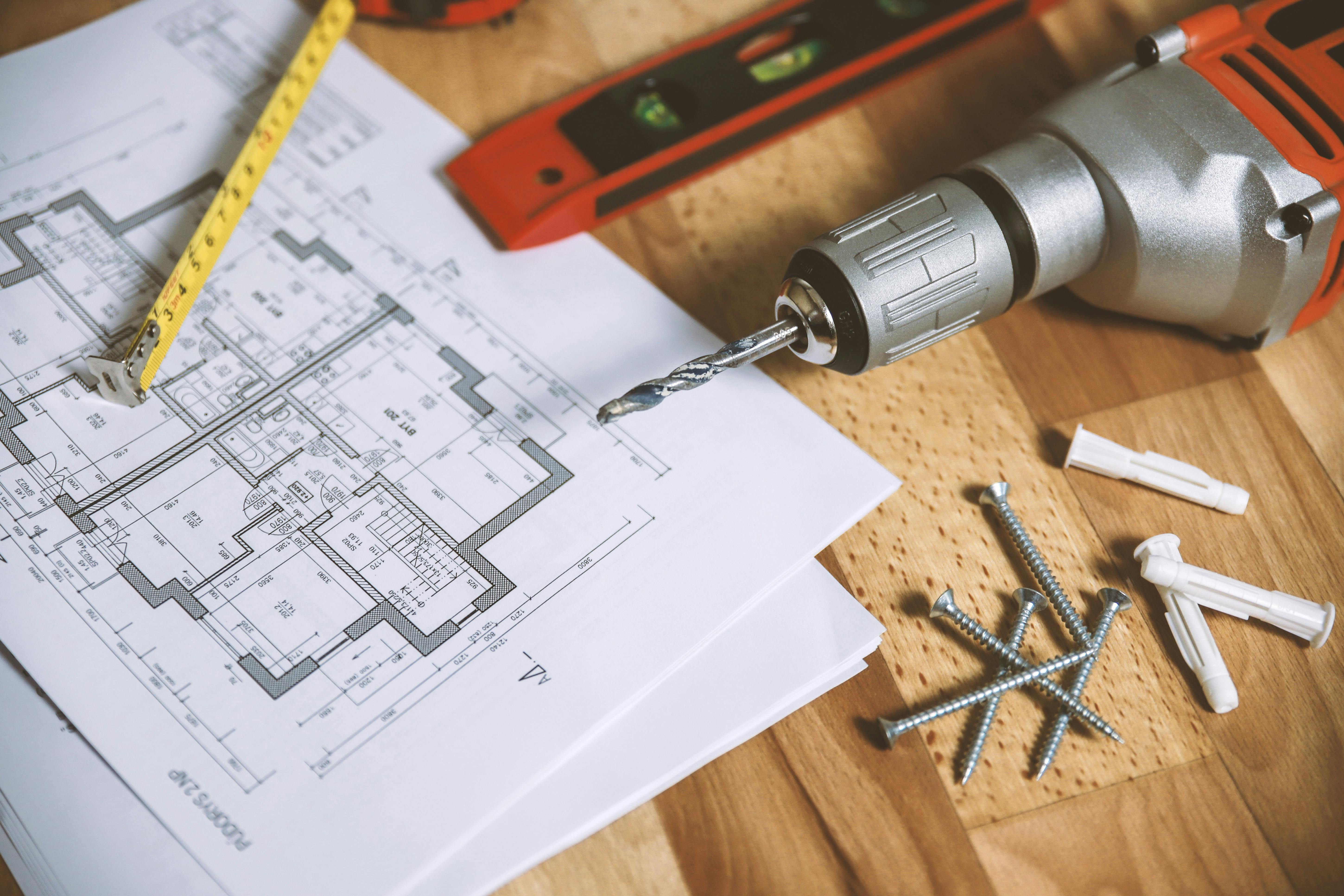
Structural repairs are often concealed after completion, but the quality of the repair depends on details that remain behind the finishes: proper bearing, stable support, compatible materials, secure connections, correct fasteners, moisture protection, appropriate access, and a work sequence that protects the structure.
We consider the structural work and the surrounding home together. Floors, walls, ceilings, cabinetry, tile, siding, roofing, doors, windows, trim, plumbing, electrical work, and HVAC may all intersect the repair area and must be restored without compromising the new structural work.
The completed project should not look like a damaged area was simply covered. It should feel like a stable, connected part of the home with the underlying condition addressed and the visible space rebuilt.
Talk with Green Deal Construction about sagging floors, damaged joists, failing beams, foundation movement, cracked framing, load-bearing walls, roof structure, moisture deterioration, termite damage, or structural conditions discovered during a remodeling project in Charleston, West Virginia.
What We're Known For
We fuse craftsmanship and innovation to transform living spaces into stunning havens of elegance and functionality—tailored to your style, delivered without compromise.
Services
Five service lines, one crew. Each project moves through the same disciplined process.
From drywall to finish carpentry—remodels that read like magazine covers.
See More
The Family
A family construction business—generations of trade experience. We treat clients like family, build with transparency, and stake our reputation on every joint, seam, and finish we leave behind.
Co-Founder
Co-Founder

Service Area
What People Say

“I was amazed with the outcome of our ceiling and walls that Green Deal Construction did to our kitchen and dining room. They aim for perfection. Such nice fellows to work with. We highly recommend them.”
“I recently hired Green Deals Construction for a home renovation project, and I couldn't be happier with the results! From start to finish, their team was professional, knowledgeable, and committed to delivering high-quality work. The project manager kept me updated every step of the way and made sure my vision was realized. The craftsmanship is impeccable, and it’s clear that they use top-notch materials. I was particularly impressed with their attention to detail and how they went above and beyond to ensure everything was perfect. Not only did they complete the project on time, but they also stayed within budget, which is a rare find in construction! If you're looking for a reliable and skilled construction company, I highly recommend Green Deals Construction. They truly exceeded my expectations!”
“Remodeled my kitchen including tile work and flooring. Stunning work and very informative and friendly.”
“We recently had the pleasure of working with Green Deal Construction to install our exterior door, and I couldn't be more impressed with their professionalism, affordability, and reliability. They demonstrated a level of expertise and dedication that sets them apart. They provided a competitive quote that fit within our budget while delivering exceptional quality in workmanship. Their attention to detail was meticulous every step of the way. They showed up on time and communicated effectively throughout the entire process. I will not hesitate to call them back for future work at our home.”

Start a Project


